
Phase II Process
CONTACT US
Phase II Process
A Phase II ESA usually follows directly after a Phase I ESA in order to address the Recognized Environmental Conditions identified in a Phase I ESA. The scope of work is unique for each property, depending on the needs of the client, the site layout, and the Recognized Environmental Conditions under investigation.
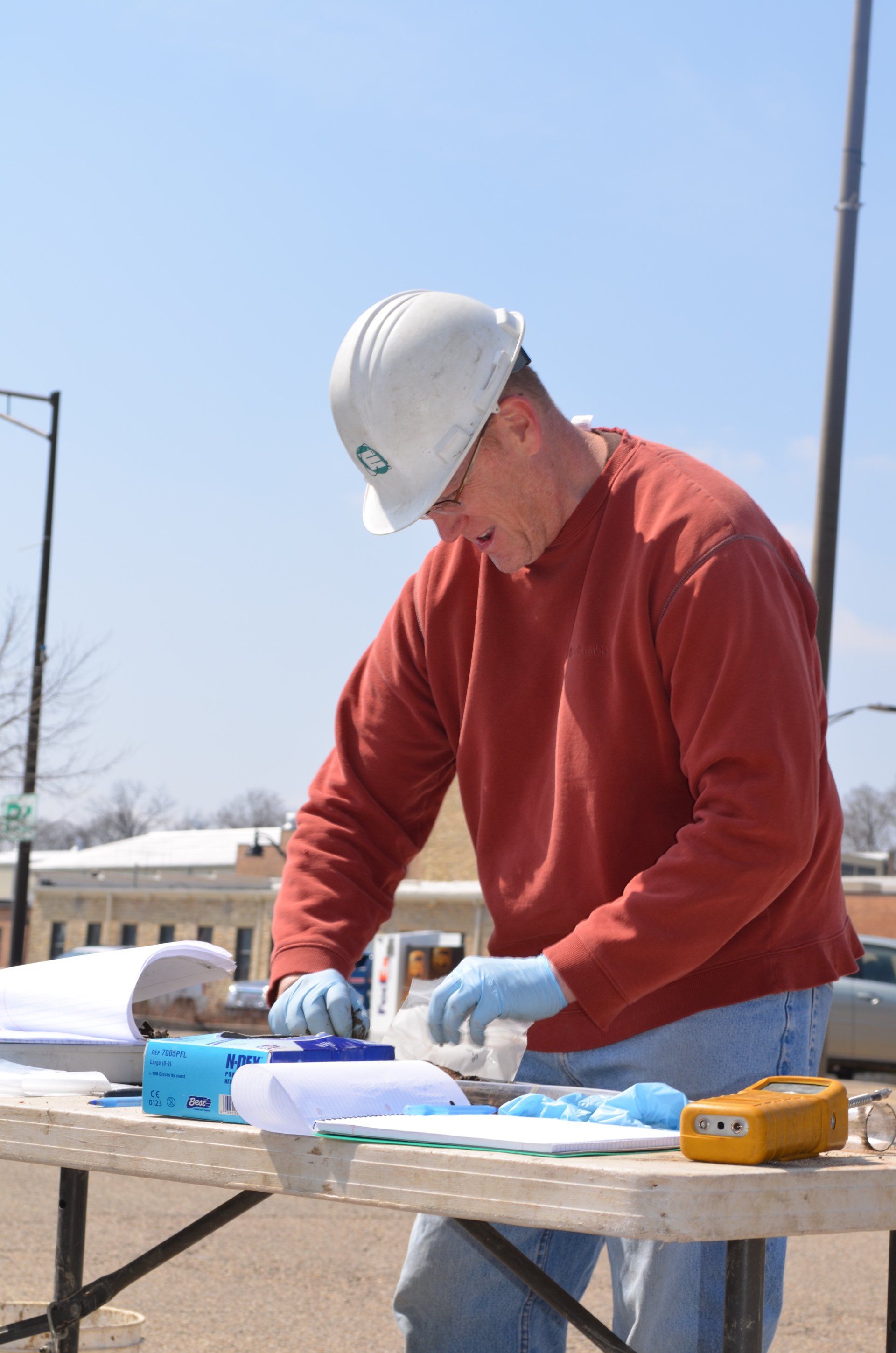
A Phase II ESA usually follows directly after a Phase I ESA in order to address the Recognized Environmental Conditions identified in a Phase I ESA. The scope of work is unique for each property, depending on the needs of the client, the site layout, and the Recognized Environmental Conditions under investigation.
For example, if evidence of an underground gasoline storage tank was discovered during the Phase I ESA, the Phase II ESA may involve installing soil borings around the underground tank. Soil samples would be collected and analyzed for gasoline indicator contaminants, such as benzene. ECG would then issue a report summarizing the results, and if no elevated levels of contaminants are found, the ESA process would end at this point.
For more information
FREE PHASE II ESTIMATEPHONE: 800.282.2084
DOWNLOAD PDF
Questions to Ask
When Selecting an Environmental Consulting Firm
Phase II Scope of Work
Because ECG specifically tailors each Phase II ESA based on the Recognized Environmental Conditions, the needs of the client, and the industry standards, each scope of work is different. In addition, different consultants have different recommendations regarding the scope of a Phase II ESA.
The Phase II scope of work for the underground gasoline storage tank example might be as follows:
- ECG will visit the site and layout the boring locations.
- A drilling contractor will advance eight soil borings at the site, up to depths of 12 feet below grade.
- ECG will collect up to 24 soil samples (three samples per boring) for field screening and eight samples for chemical analysis.
- ECG will have the eight samples analyzed for volatile organic compounds (VOCs), benzene/toluene/ethylbenzene/xylenes (BTEX), methyl tertiary butyl ether (MTBE), semi volatile organic compounds (SVOCs), polynuclear aromatics (PNAs), total metals (metals), pH, and dry weight.
- ECG will complete a Phase II ESA report summarizing the field activities and analytical work.
ECG can provide Phase II ESA services regardless of whether we completed the Phase I ESA. In addition, we can review other environmental reports to help you understand any environmental work that has or will occur on the property.
To obtain more information about Phase II ESAs or to get a price quote for a Phase II ESA at your property, contact an ECG project manager at 312.663.3900.